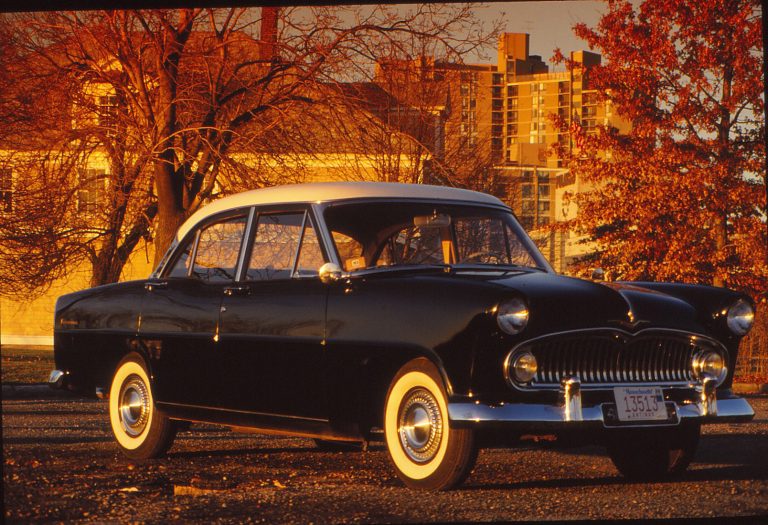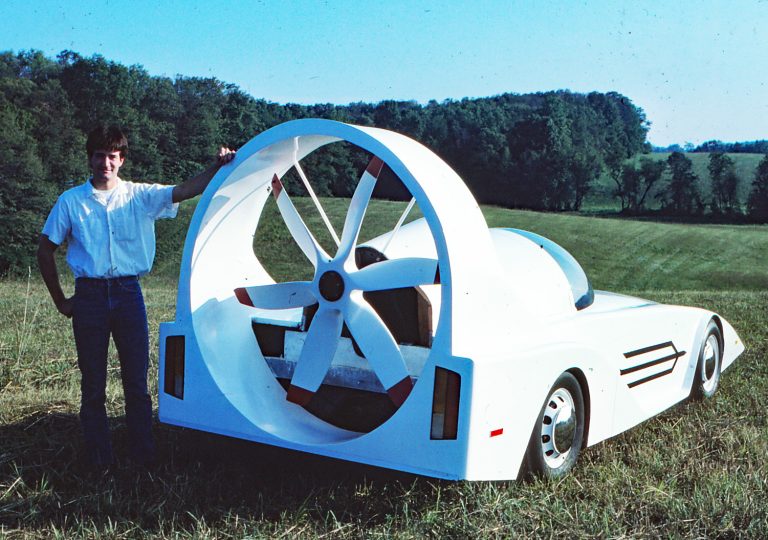


There’s only one problem with two seaters: there are only two seats. After all, when you have a two-seater, you want to take people out for a ride to show off your new toy. With a two-seater, you can take them only one at a time.
On the other hand, that’s what makes two-seaters so special. More practical, more common cars must make concessions to the need to carry more people than the driver and the passenger. Even the two-plus-two, a car with semi-bogus rear seats that seem designed primarily for providing work for orthopedic surgeons, is a compromise. A two-seater, though, is electric. After all, a two-seater the two-seater is an indulgence in impracticability, and what is an indulgence but a luxury?
Contemporary review originally published in Corridor Today July 1, 1988; republished by author John Matras
As result, there aren’t many two-seaters on the market. General Motors has/had only four: red-blooded, world-sports car, the Chevrolet Corvette; the recently demised commuter car cum sports car, the Pontiac Fiero; Cadillac’s Allante; and Buick’s new personal luxury coupe, the 1988 Buick Reatta.
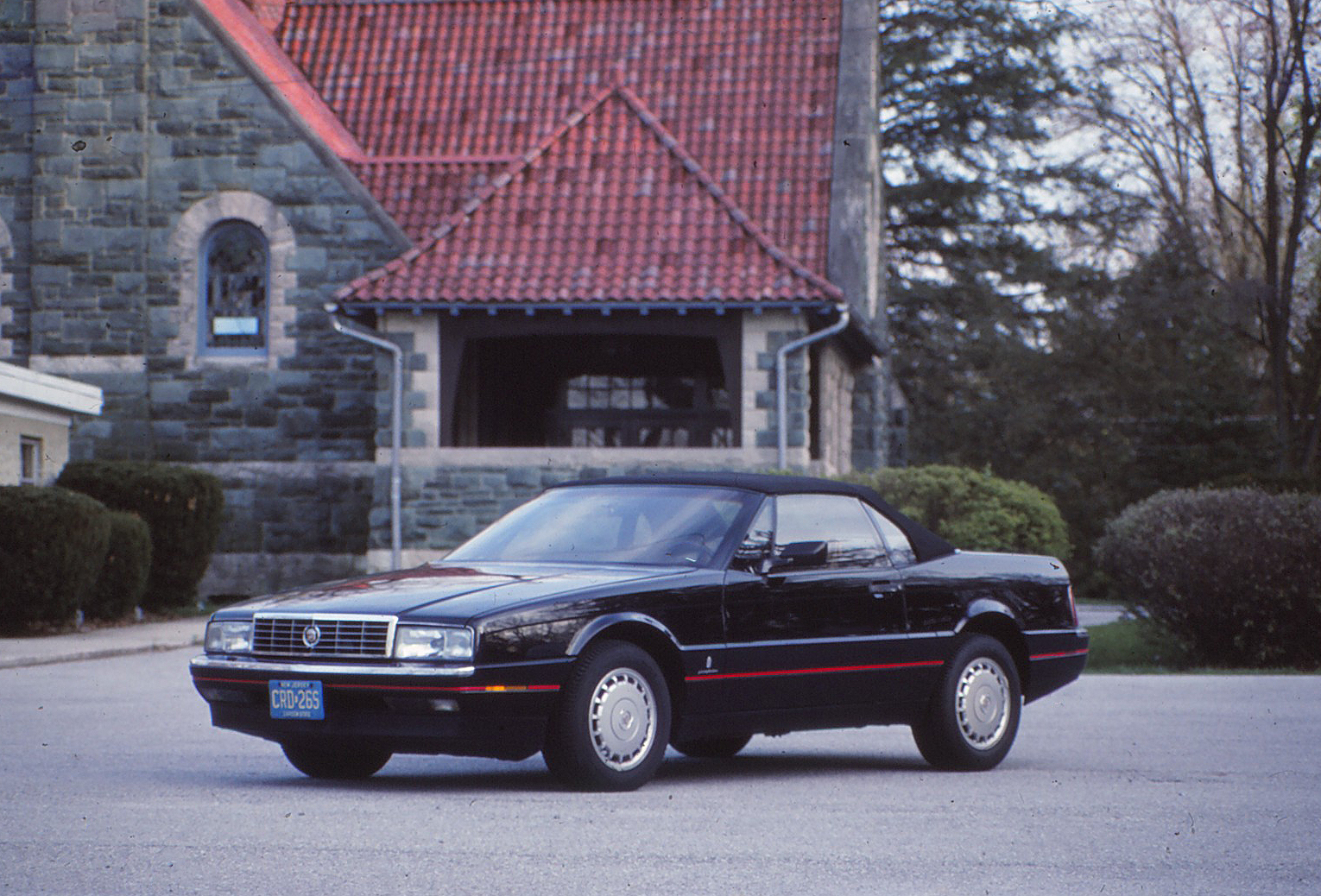
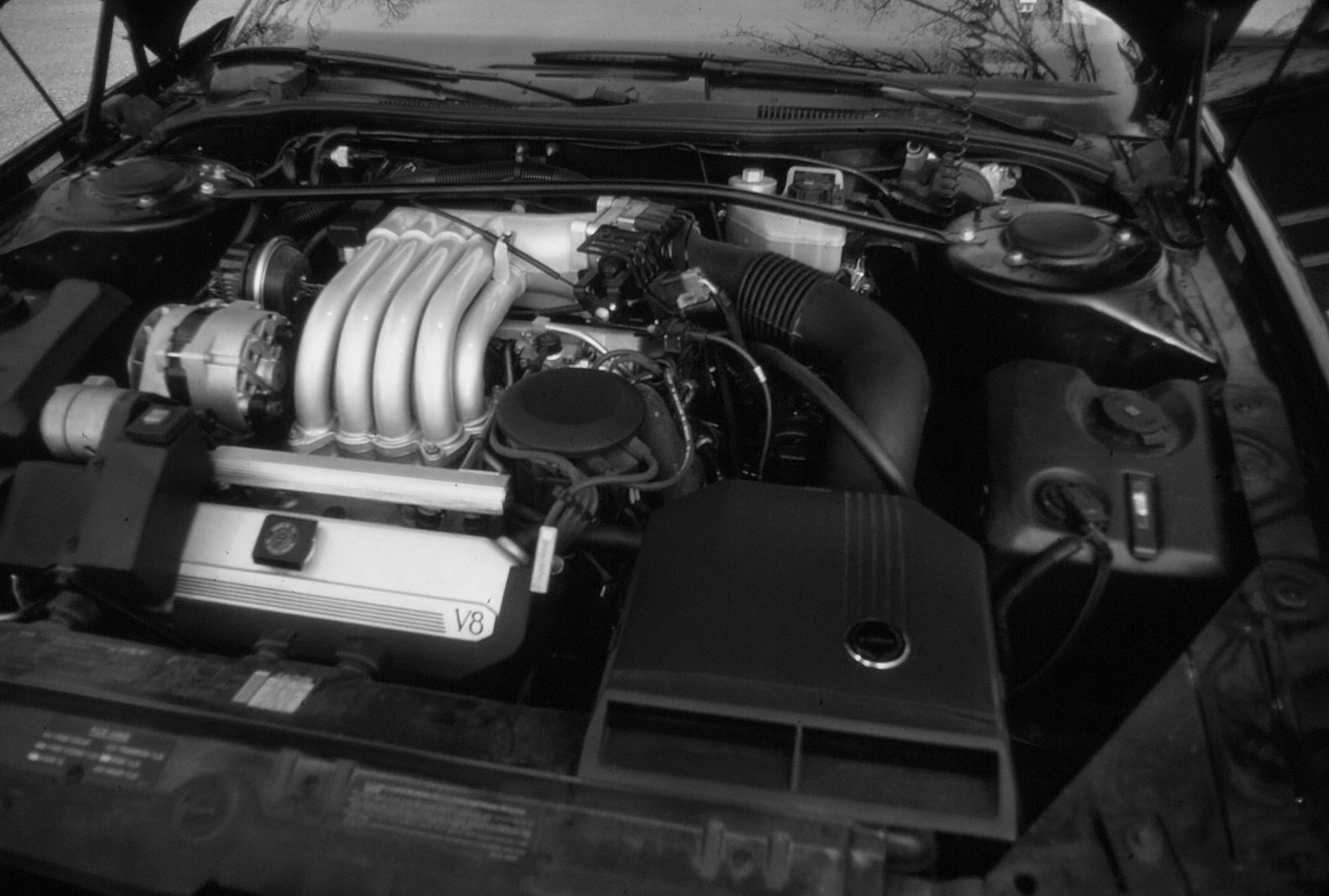
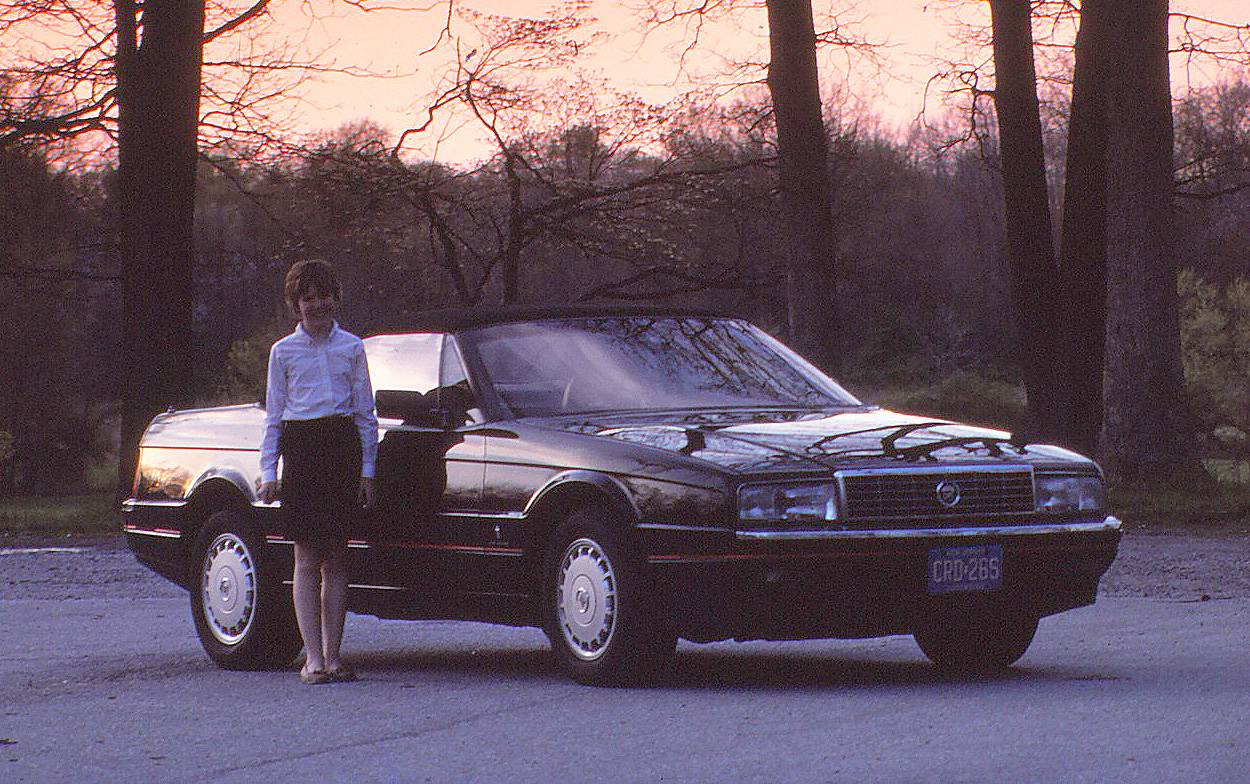
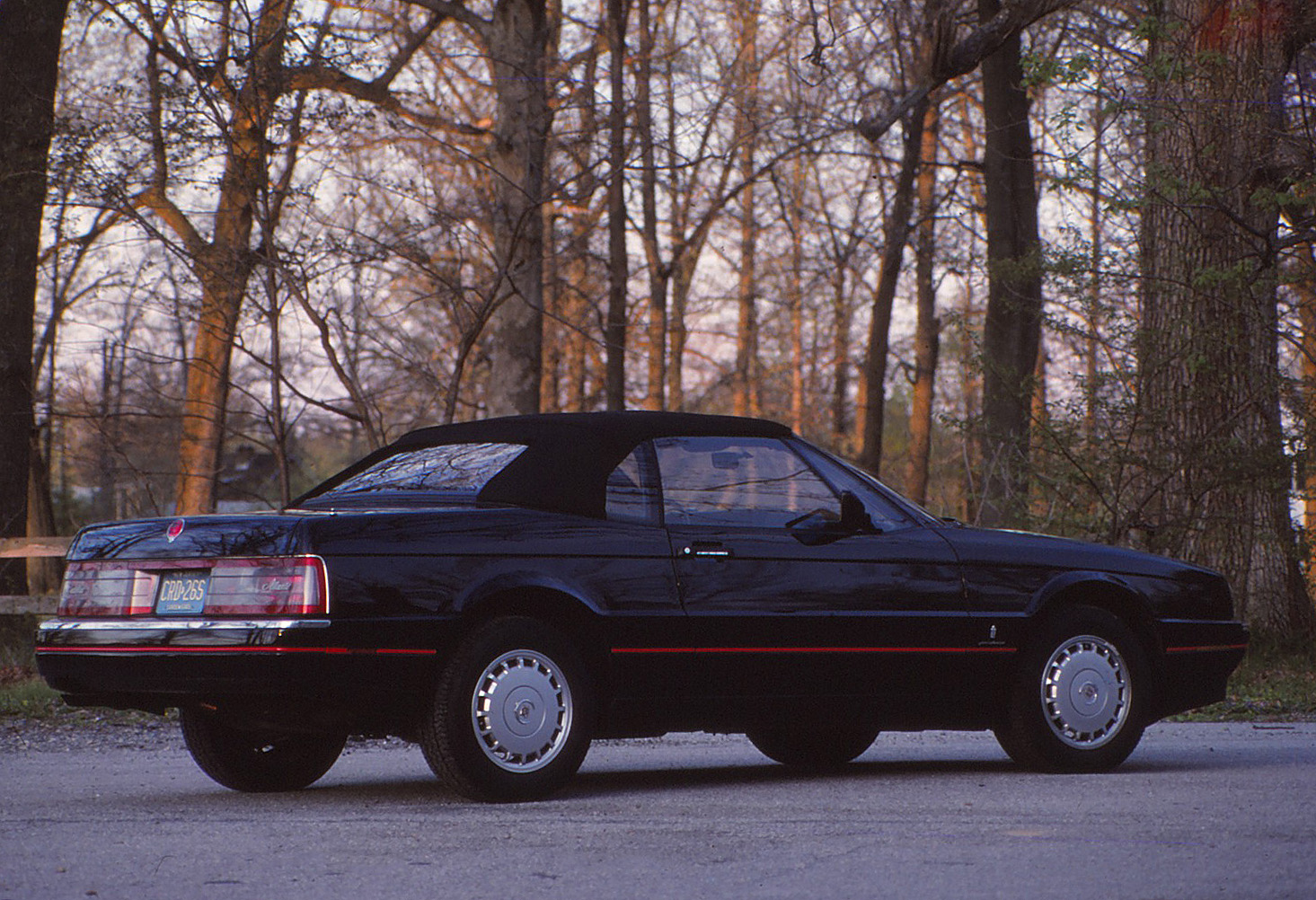
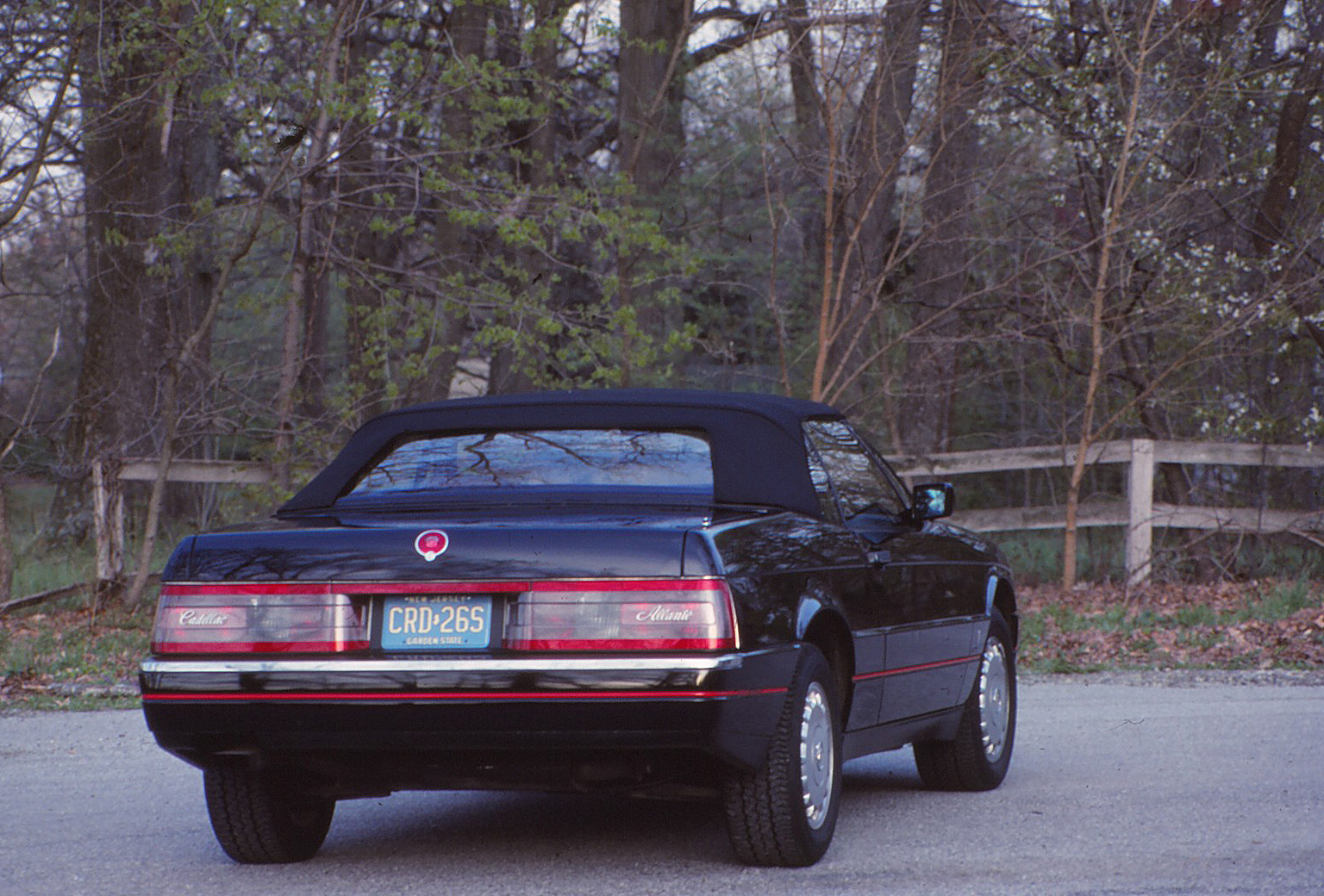
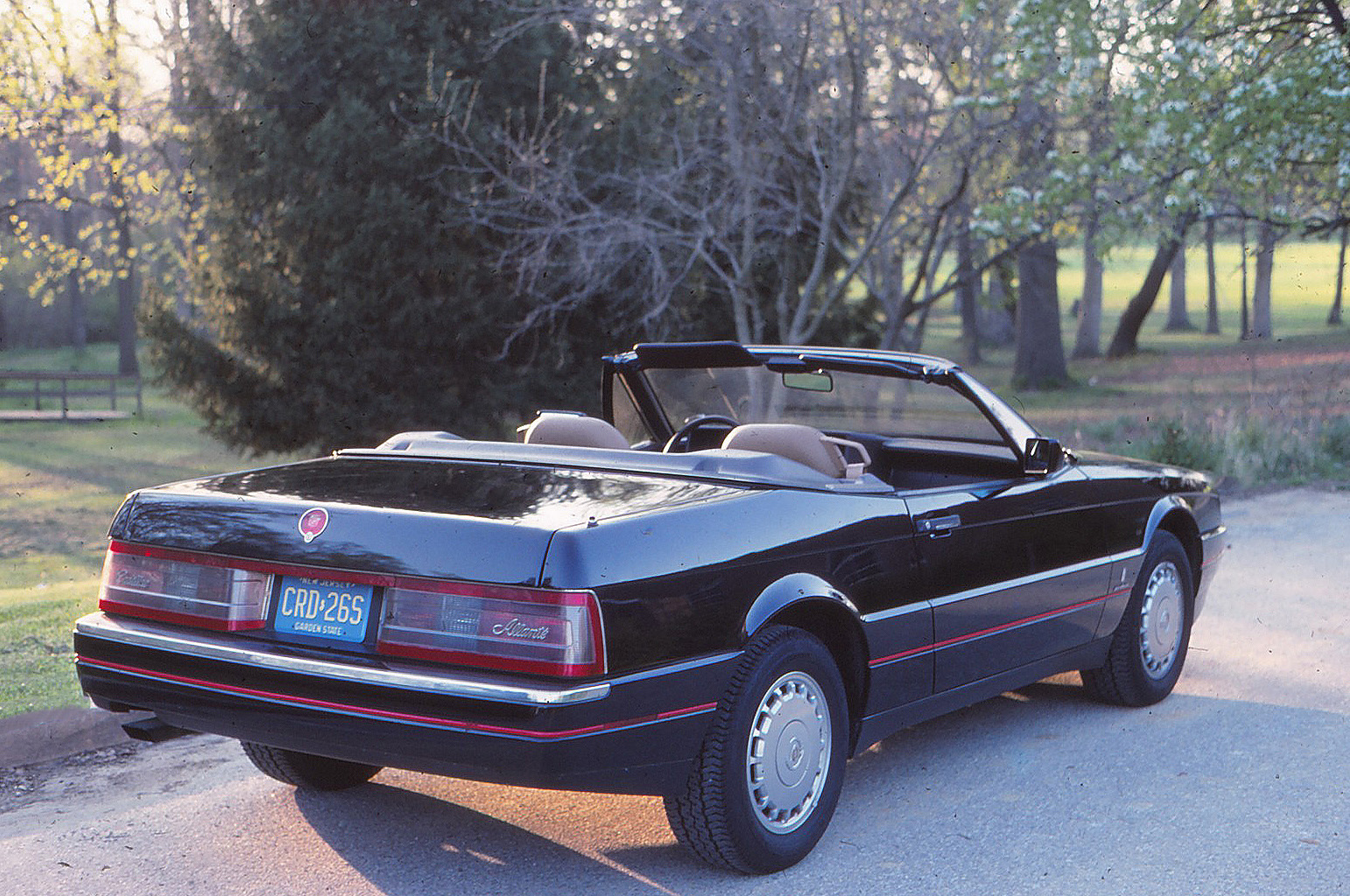
Yes, Cadillac has a two-seater and so does Buick. They both have transverse front engines and front-wheel-drive, although the Cadillac Allante has a 4.1 liter (250 cu. in.) V-8 while the Buick Reatta has a 3.8 liter V-6. The Allante was introduced in the 1987 model year and is a leader not only in price – this car lists for $56,533 – but it’s unique in a number ways. For example, the 1987 Cadillac Allante I test drove has done something I haven’t done lately: fly in a 747. In fact, all Allantes travel to Italy via Alitalia Airlines to receive their bodies at the Pininfarina factory (the same folks who make made the body for Sonny Crocket’s Ferrari). Pininfarina is responsible for more than making the body; they also designed it. It’s not a wild shape, rather it’s an elegant profile. Hey, you expected Madonna from Cadillac? Never mind, the Allante turns heads and everyone wants to know who’s driving.
Not only is the Cadillac Allante a two-seater, but it’s also a genuine convertible. It comes with a removable aluminum hardtop, but the cloth top has a cachet and a funky elegance, and I wouldn’t bother with a metal lid. Surprisingly for a car in this price range, the top is manual. It is a very good manual. Italy is known for its slick convertible tops and this one ranks with the best; it all goes down under a hard boot just as nicely as you could want; and Ferraris don’t have power tops, but jeez, for 56 thou.…
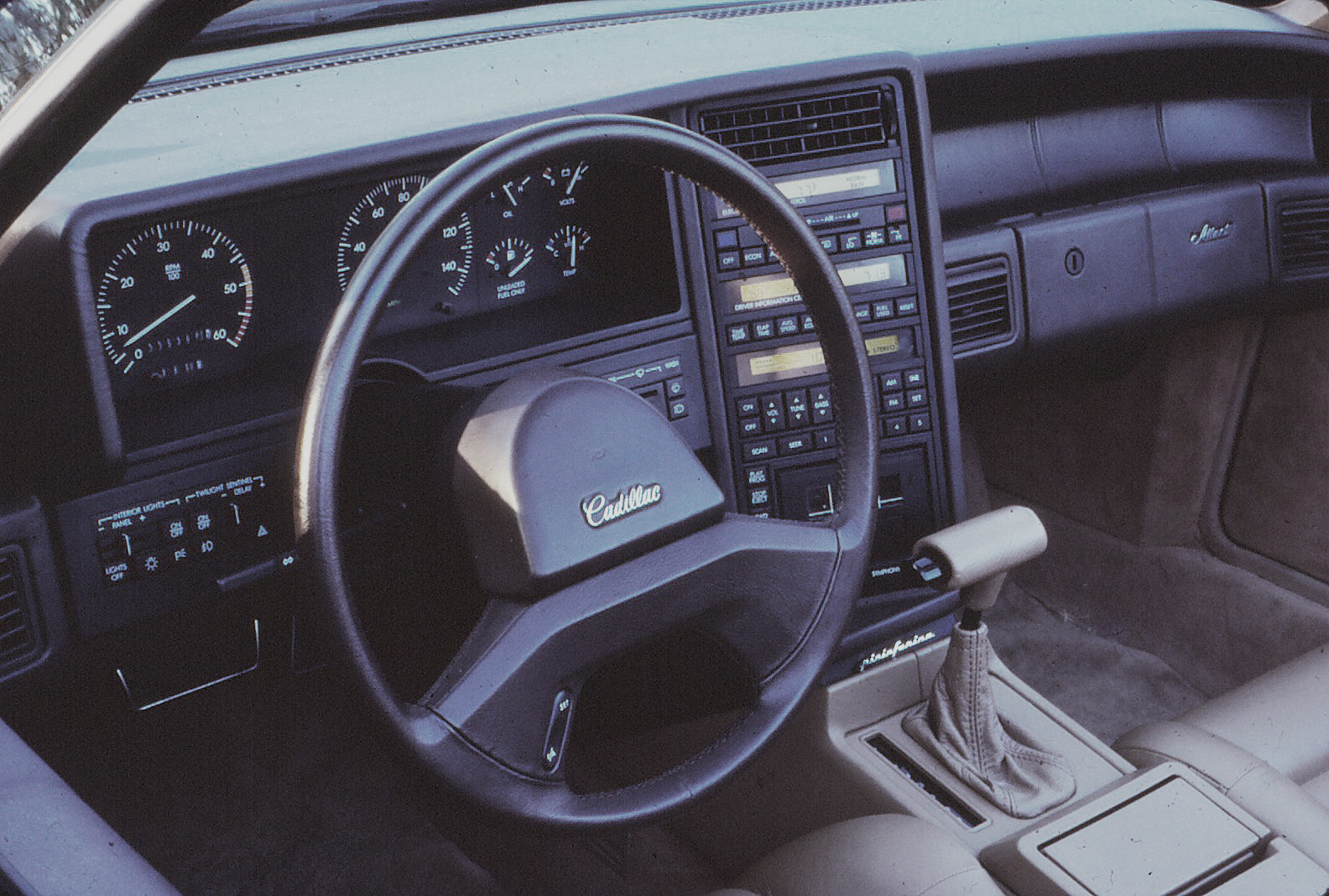
This is the most advanced use of computerization in an automobile. While electronic management is increasingly common, each component is usually addressed via separate wire. The Allante, however, utilizes “bus” technology, communicating with individual components off a single wire. Despite the high tech, the controls are quite, to coin a phrase, user-friendly. Downright convenient in fact. The “Driver Information Center” spells out “good morning” (or afternoon or evening) when the car is started. Seriously, except for devout technophobes, the controls are legible and easy to use.
The Allante’s V-8 produces 170 horses, and a four-speed automatic transmission is the only choice. Performance is respectable, with 0-60 mph accomplished in 9.5 seconds, and Cadillac engineers have been able to strain a nice V-8 rumble through the catalytic converter, but many less expensive car will show a clean set of heels to the Allante. For gas mileage, figure on the 16/24 city/highway that EPA predicts.
This is without a doubt the best handling Cadillac ever to come out of Hamtramck. At 3,500 lbs., the Allante is no lightweight, but the fully independent suspension keeps the P225/60VR15 Goodyear Eagle VL tires (made especially for Allante, by the way) well planted on smooth or uneven pavement. You expect anti-skid braking and four-wheel discs in this class, and you get it. With only two to accommodate, there’s a lot of room inside. The convertible top takes some room behind the seats when it’s down, but there’s still room for jackets and incidentals behind the seats, which is not the case with any mid-engine design I know. The trunk, at 16.0 cu. ft, has more than enough room for any two reasonable people.
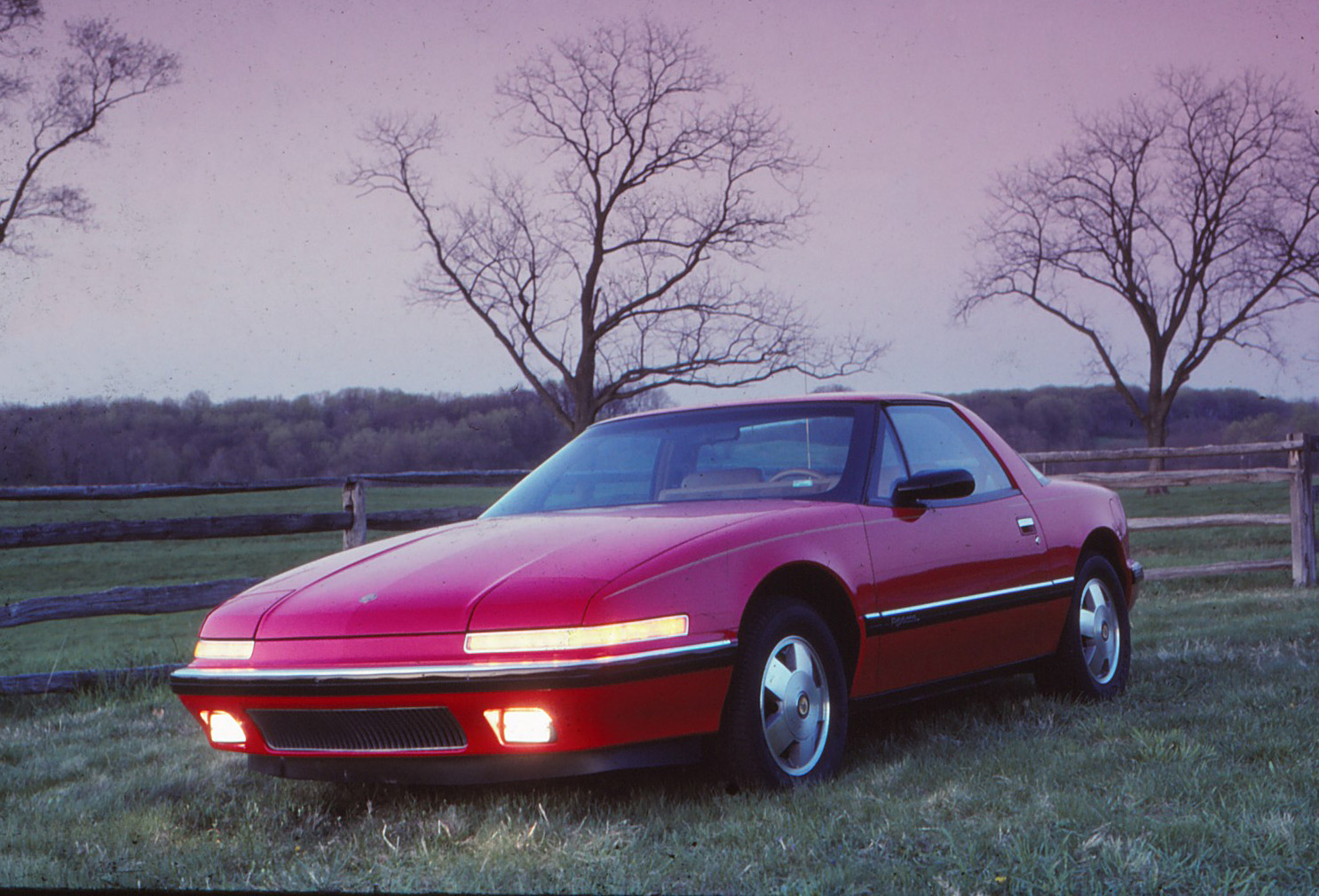
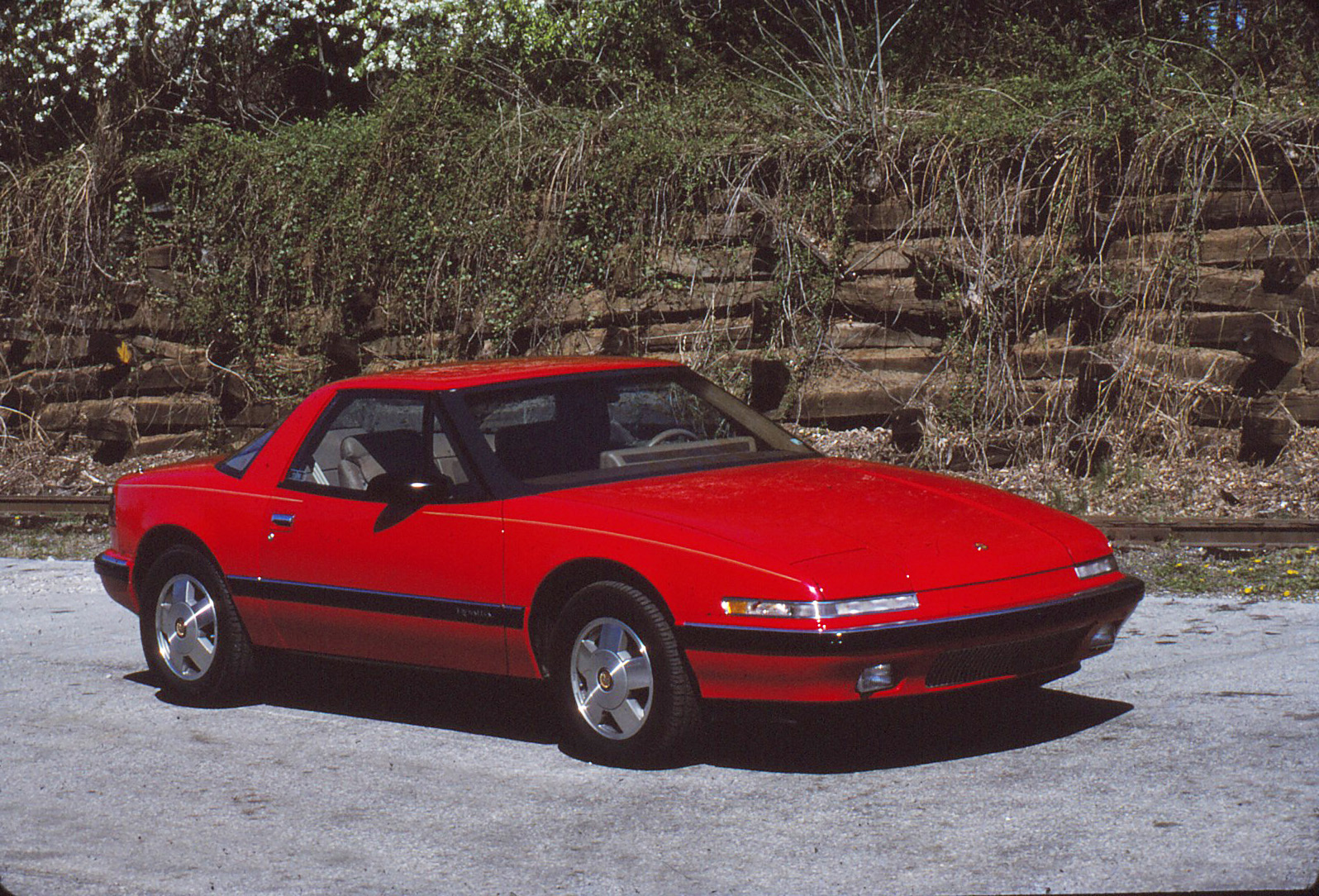
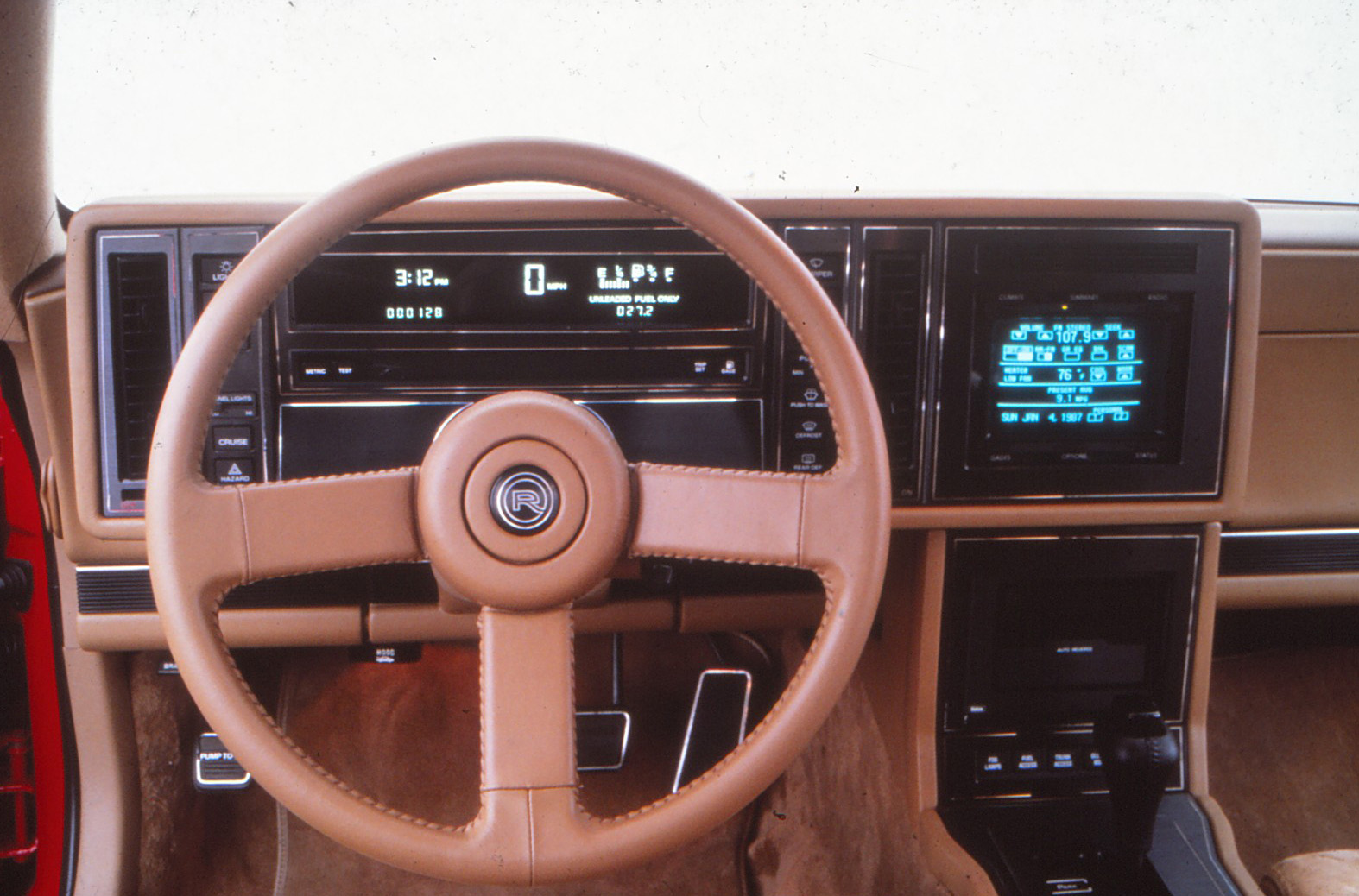
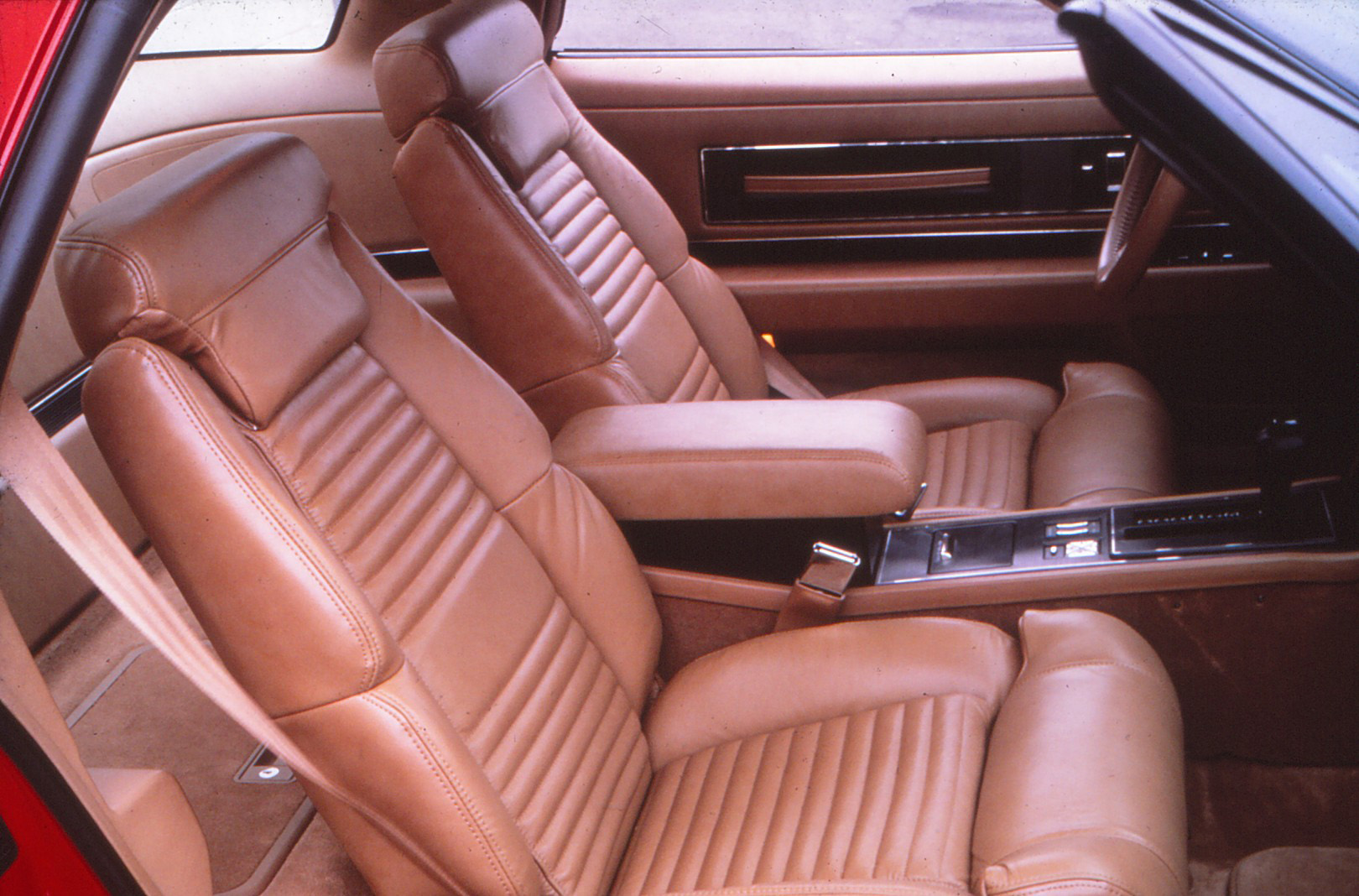
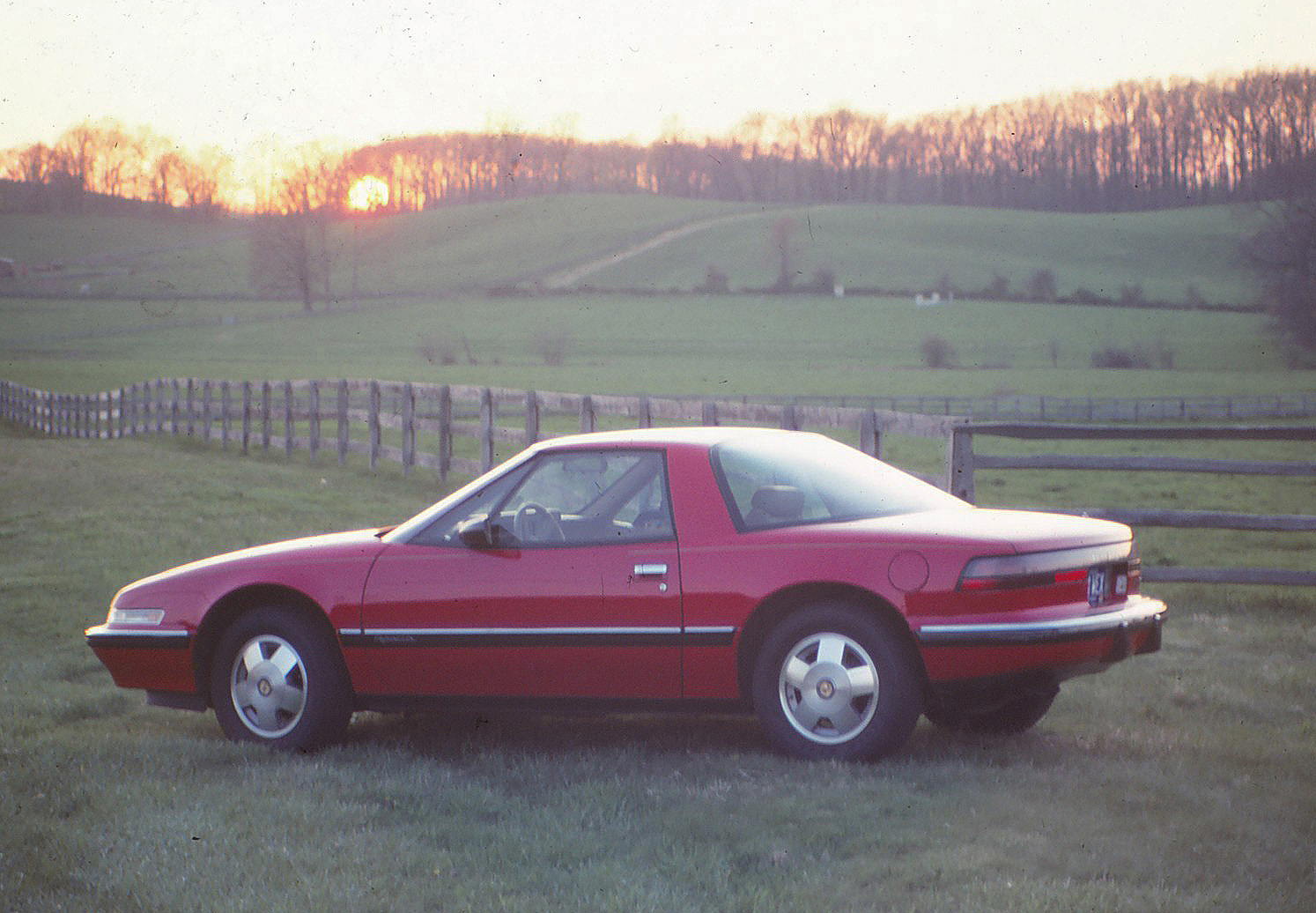
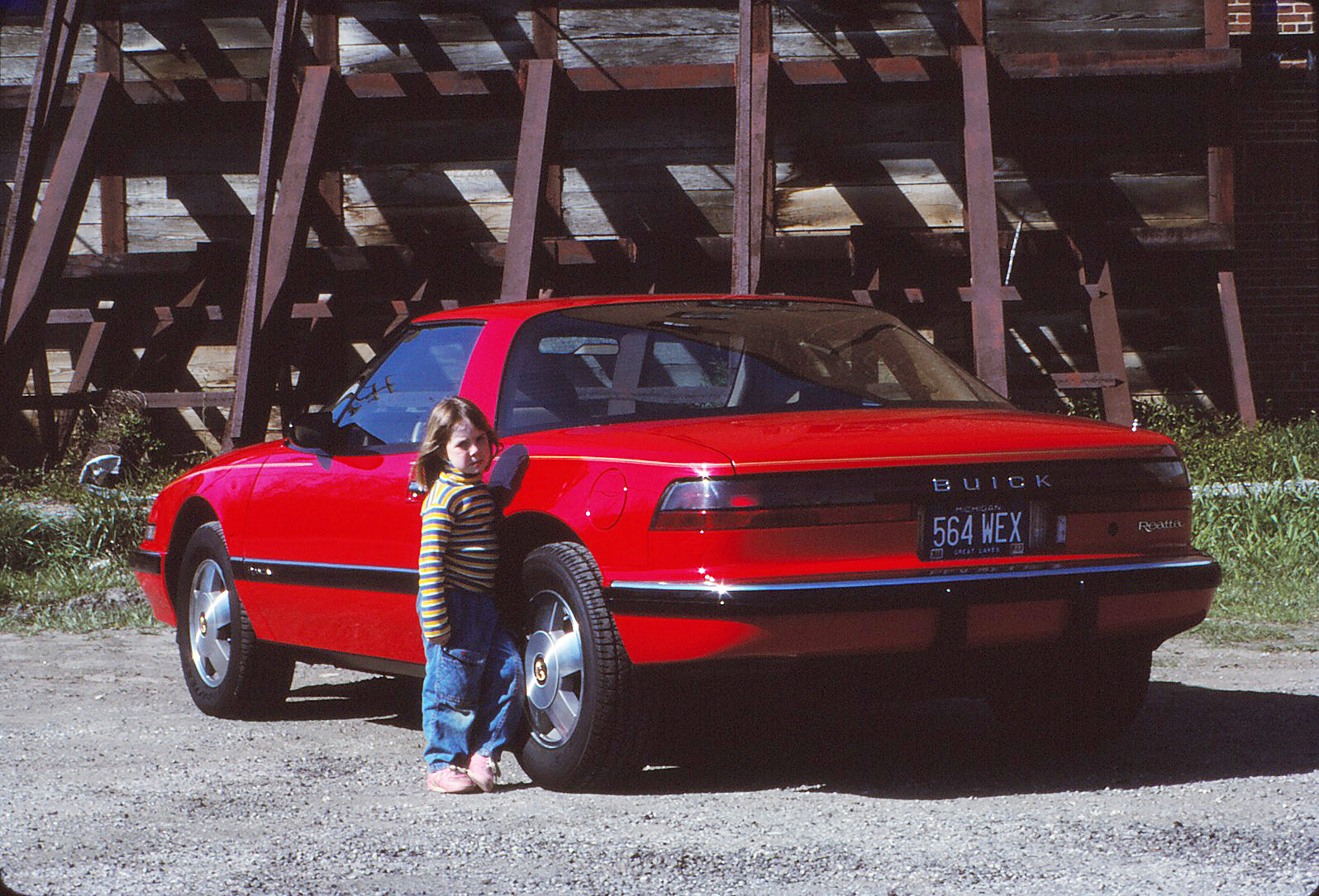
If anything, the Reatta has even more room inside. Buick could have inserted jump seats in the back if they had been willing to ruin the image. Instead there are a pair of locking mini- bins and a pass-through door to the 10.3 cu. ft. trunk. There are provisions however, for strapping down luggage behind the seats.
The Reatta also shames the Allante in the whiz-bang video display – if that’s what you want. Buick Riviera owners will feel right at home as that car’s display was transferred directly to the Reatta. Although the primary dash puts on a multi-colored show on startup, the secondary display is more impressive—and more controversial—feature. It is a touch screen cathode ray tube (CRT) display, and anyone familiar with menu-driven microcomputer programs will feel right at home. Some people feel that it just doesn’t belong in an automobile. I feel the overkill is in a button below the CRT display: Do we really need a power glove box release?
Like the Cadillac, the Reatta has anti-lock four-wheel disc brakes and fully independent suspension. Although Buick reps have taken to chanting, “it’s not a sports car” and “Buick ride, Buick ride, Buick ride,” the ride is, if anything, too unrelentingly soft and cries out for adjustable suspension, as is available on some cars selling for less than half the cost of the Buick. Allante could use it too. Then, at least, if one were tempted to play sports car, it wouldn’t be in vain.
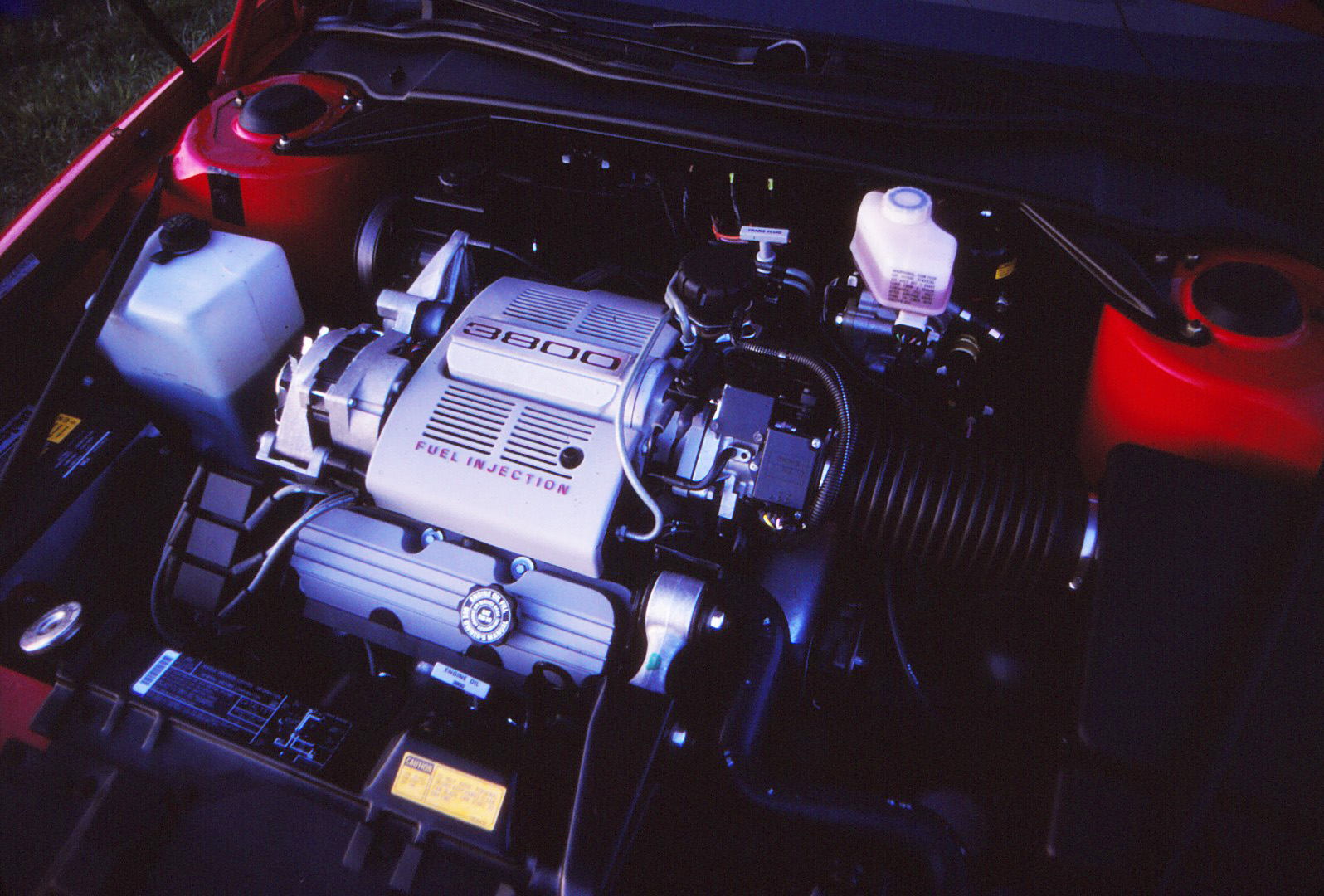
At 165 hp, the Buick V-6 is almost as powerful as the Allante’s V-8, and at about 300 pounds less, the Reatta should have a small edge in performance. Buick claims, though, 0–60 in “just under 10 seconds.” Fuel mileage is better, however, with realistic EPA figures of 19 city and 29 highway. Incidentally, one Buick rep reports having driven both turbocharged and supercharged Reattas at General Motors’s proving grounds and says the acceleration is very impressive either way. As I was saying about the upgraded suspension….
Like the Allante, the only transmission is a four-speed automatic. Buick expected the demand for manuals to be so low as to make the effort less than worthwhile.
One peculiarity of the Reatta is a very long front overhang. Although this has been criticized from an aesthetic standpoint (you either like it or you don’t), it does require care around steep driveways and such.
General Motors claims that the Buick Reatta and Cadillac Allante are not competitors. At $25,000 for the Buick [the only extra cost options are power sunroof ($895) and 16-way power driver’s seat ($680)] versus the $56,000 for the Cadillac, one is tempted to agree. Both fill the same niche—luxury two-seater—and a convertible version of the Reatta will be out this fall. Sales for the Reatta are booming while the more expensive Allantes are less than expected. Either car will impress the man or woman on the street. Your choice, then, is what you prefer—and which you can afford.
About carrying those extra folks, just think about this: no backseat drivers. Now isn’t that luxury.
Addendum: It shows how wrong first reports can be. Although the word we got at first was that sales of the Reatta were going gangbusters. However much that was, it didn’t last. While Buick was expecting annual sales of about 20,000 units, from 1988 until Buick threw in the towel in 1991, only 21,751Reattas had gone out the door, coupe and convertible combined. That convertible, by the way, added $6,700 to price in 1990 dollars.
Car and Driver on the Reatta when new Tested: 1988 Buick Reatta Has Two Seats, But Isn’t a Sports Car
Cadillac Allante did indeed sell fewer than the anticipated 6,000 annually, but only managed 4,670 at best and over its 1987-1993 lifespan averaged about 3,000 per year. Production ended of course for economic reasons. With GM losing money hand over hand over hand over fist, the development of a second generation of Allante was out of the question.
The unfortunate thing is that GM in the Allante and Reatta had produced two remarkable automobiles. They certainly deserved a better fate than to be crushed by, you know, economics.
A history of the Cadillac Allante from Consumer Guide.
A history of the Buick Allante from Motor Trend.
Perhaps General Motors might have had more success with a two-seater–a legitimate sports car–from Oldsmobile. It could have been. Read my report on the Oldsmobile XP-888GT from Automobile Quarterly.