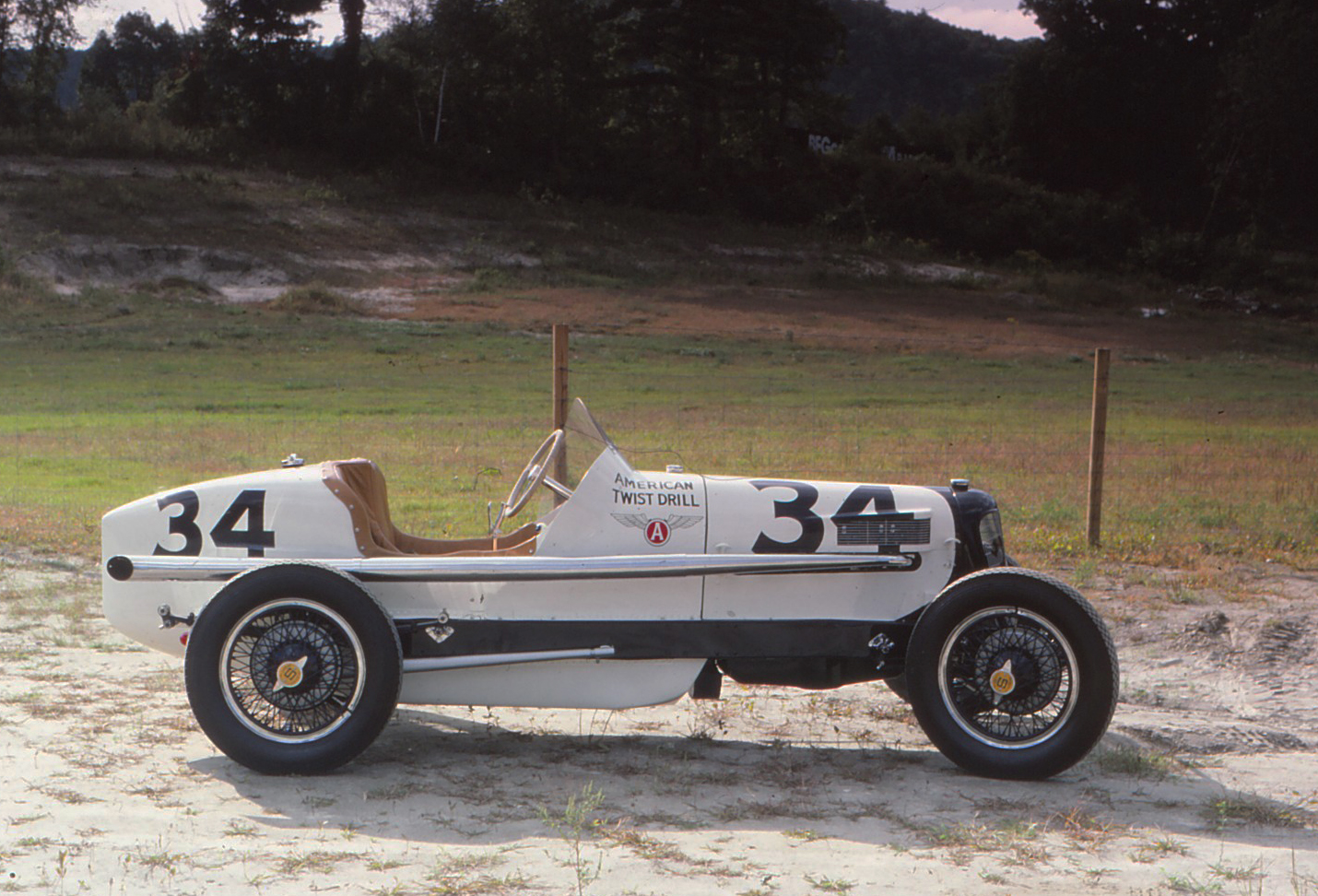


In the mega-buck world of motor racing, it’s often the team with the latest resources – computers, engineers, wind tunnel testing and seven-figure budgets – that finds the winner’s circle first.
It has always been like that, too, though not to such an extent. In an earlier time perseverance could have its rewards. Take the 1930s and the era of the “junk formula” at Indy. Conceived during the Great Depression as a way of fighting the spiraling cost of special race engines (sound familiar?) stock block engines of up to 366 cubic inches were permitted to compete against pure race motors of much smaller displacement.
History/driving impressions originally published in AutoWeek November 30, 1987; republished by author John Matras
Studebaker saw an opportunity for publicity, and factory racers were sent into the fray. Imagine the promotional grist if a Studebaker-engined car won the “greatest spectacle in racing!” They had middling success, the best finish an oh-so-close third in 1932.
Small-time teams, too, saw an opportunity to beat rectangular dollars with cubic inches. Take Ted Nowak and Carl Magnee, who operated a Studebaker dealership and Gulf Oil products dealership in the Detroit area. Together they bought a race car chassis and suspension (and possibly body) built in Indianapolis by Ernie Blum in 1934.
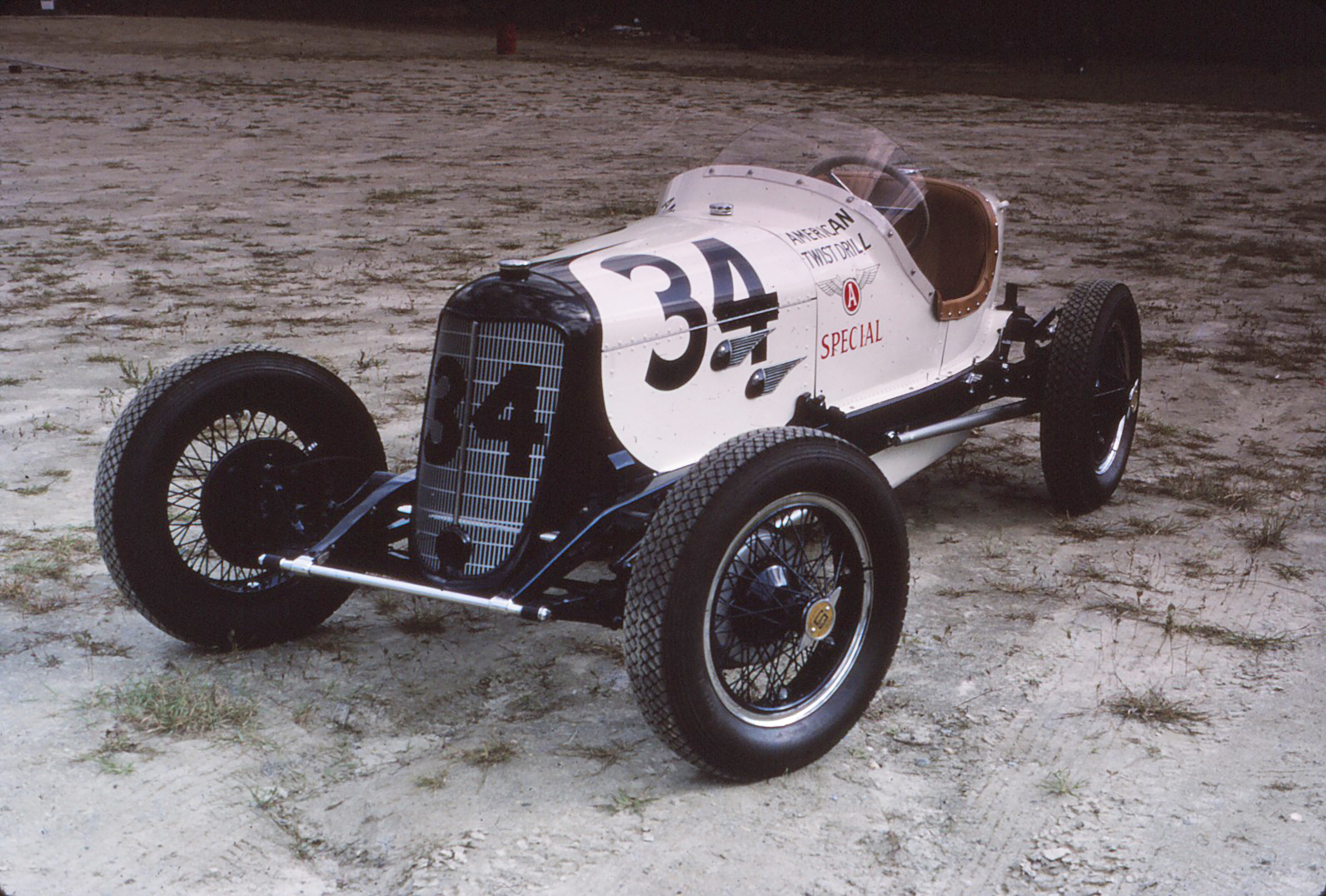
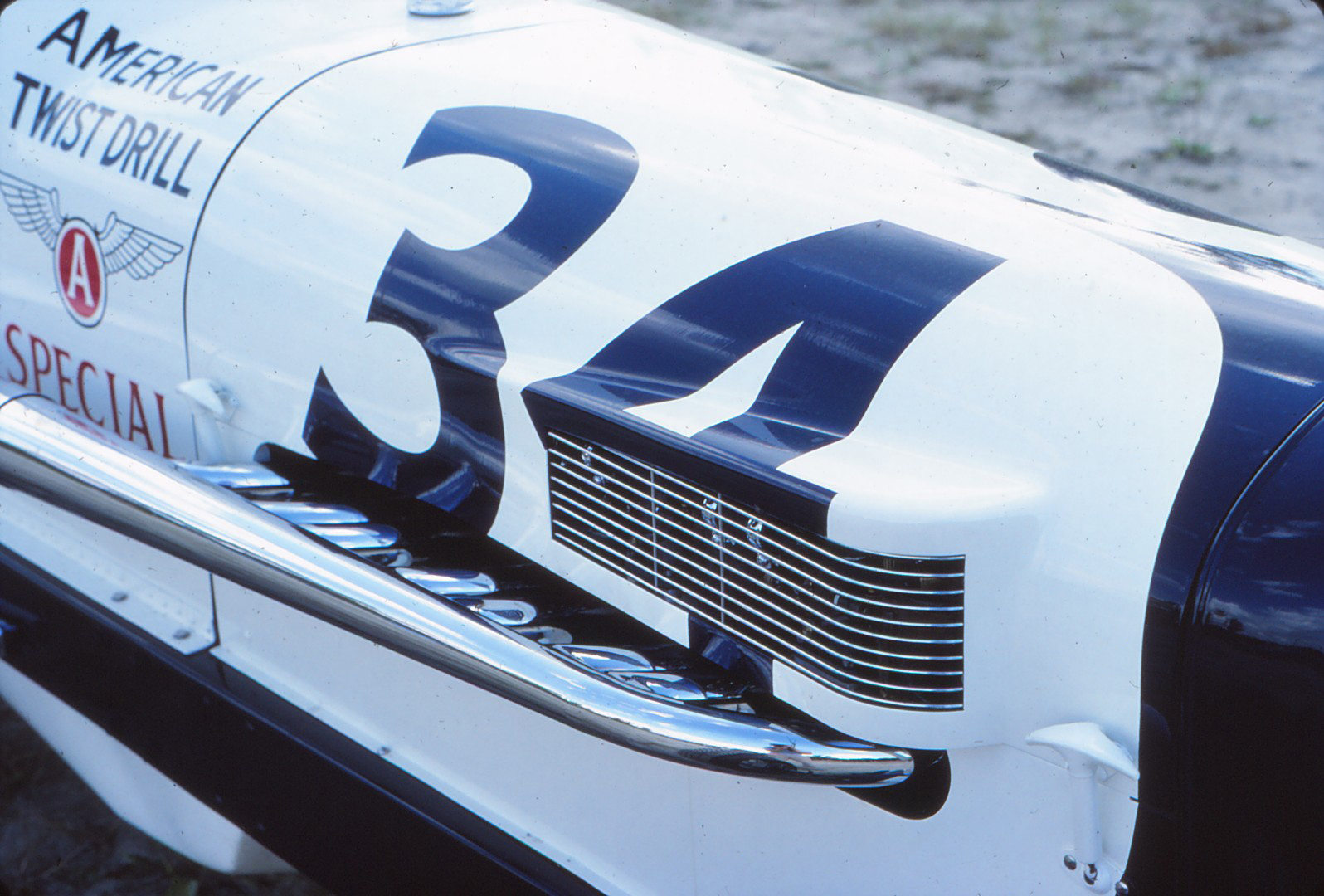
Nowak and Magnee mounted a 151 cubic Miller Marine engine in the car and took it and driver Lou Tomei to Indy in 1935. They did not qualify for the race. Undaunted, or perhaps inspired by the Studebaker factory team’s success in mixing it up with the big boys, Nowak and Magnee fitted a 1929 Studebaker straight-eight for 1936 but, with Roy Paynter driving under American Twist Drill Special livery, they missed the field again. For 1937 they were back with Ira Hall driving and Precise Tool Special on the side. Again it failed to qualify.
But give these guys credit for persistence. For 1938, they did something different: They put a Buick head on the 250 cubic inch Studebaker block. Now named the Greenfield Super Service Special but with Hall still at the wheel, the Studebaker Indy race car set a stock block record qualifying at 118.255 mph, enough for 27th on the grid. Unfortunately, a stuck throttle caused Hall to crash and put the car out of its maiden Indy 500.
Nowak and Magnee brought Hall and the racer back in 1939, the engine punched out to 271 cubic inches and still with the Buick head. Five years old, the car would reached its zenith. Hall circled the Brickyard at 121.188 mph, fast enough to qualify 18th. What’s more, the car set a new stock block record – faster than the factory team – that was to stand until 1950. Greater fame escaped again, though: After 89 laps the car dropped a valve. It was the last time a Studebaker straight-eight qualified for the race.
The Studebaker Indy race car returned to Indy in ‘40 and ‘41. Powered by a modified Packard six, it failed to qualify both times. One last time to the Brickyard, Buddy Rusch qualified it in 1946 as first alternate but didn’t start. The car knocked around racing for the next several years and about 1950 a Mr. Boyle from Galien, Michigan, purchased the car off a used car lot in Goshen, Indiana. Boyle used the car, then powered by a GMC six, first as a street rod and then, believe it or not, a farm tractor.
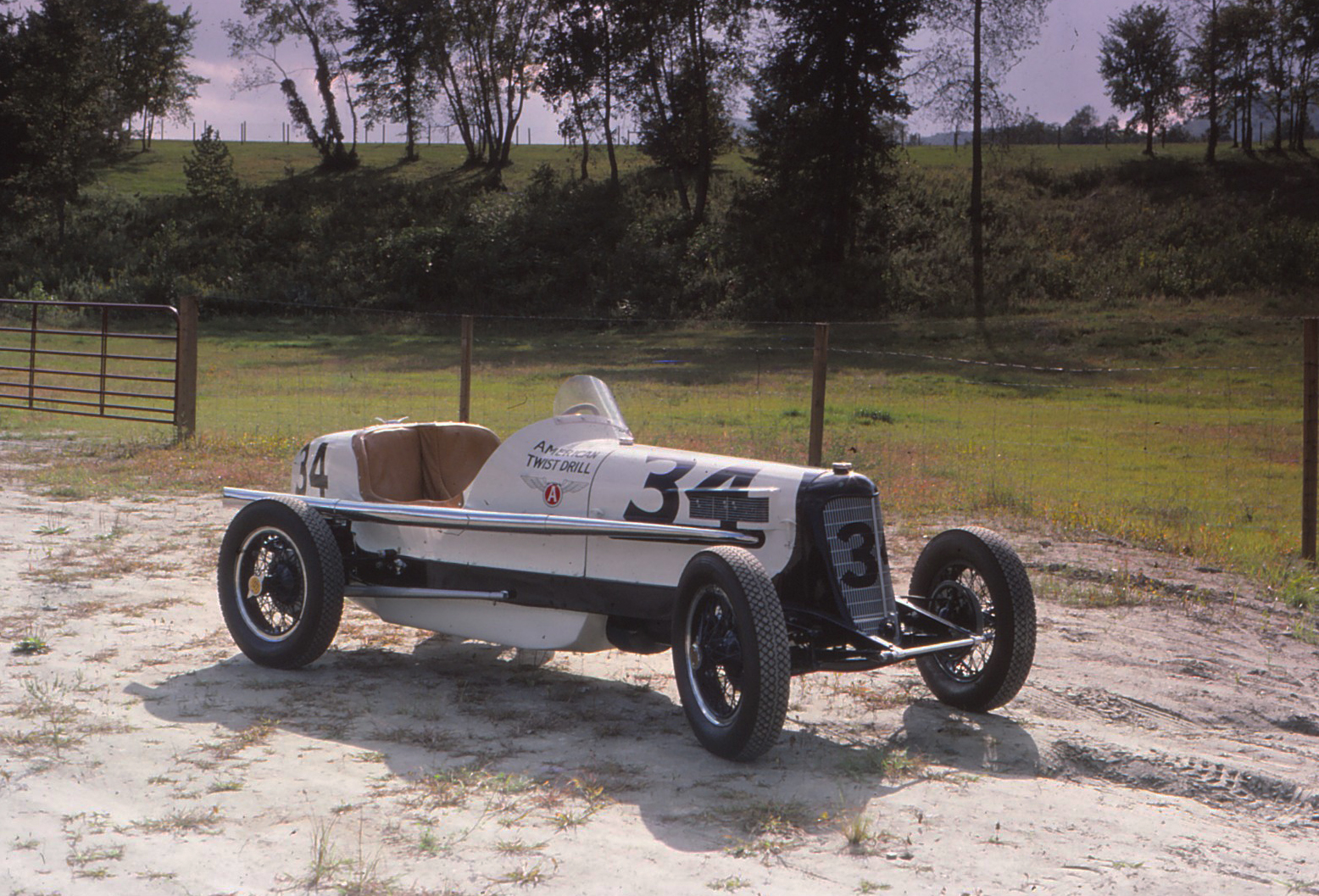
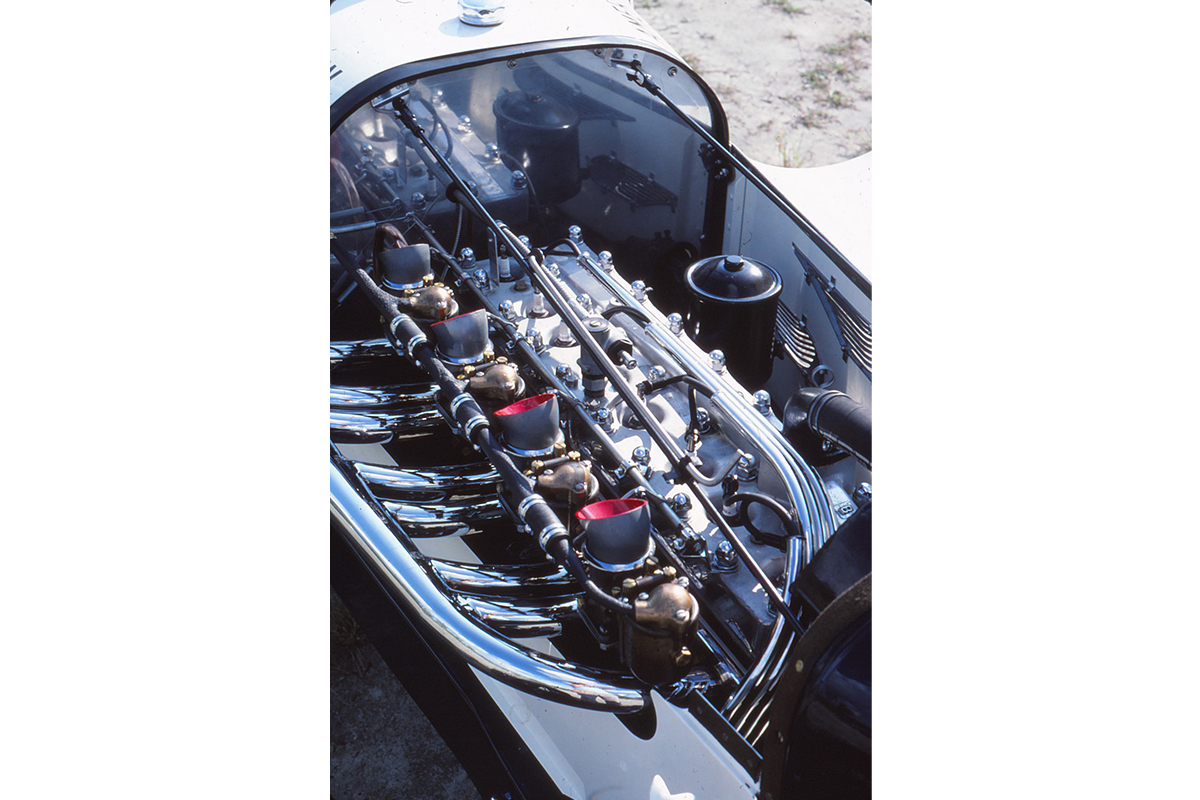
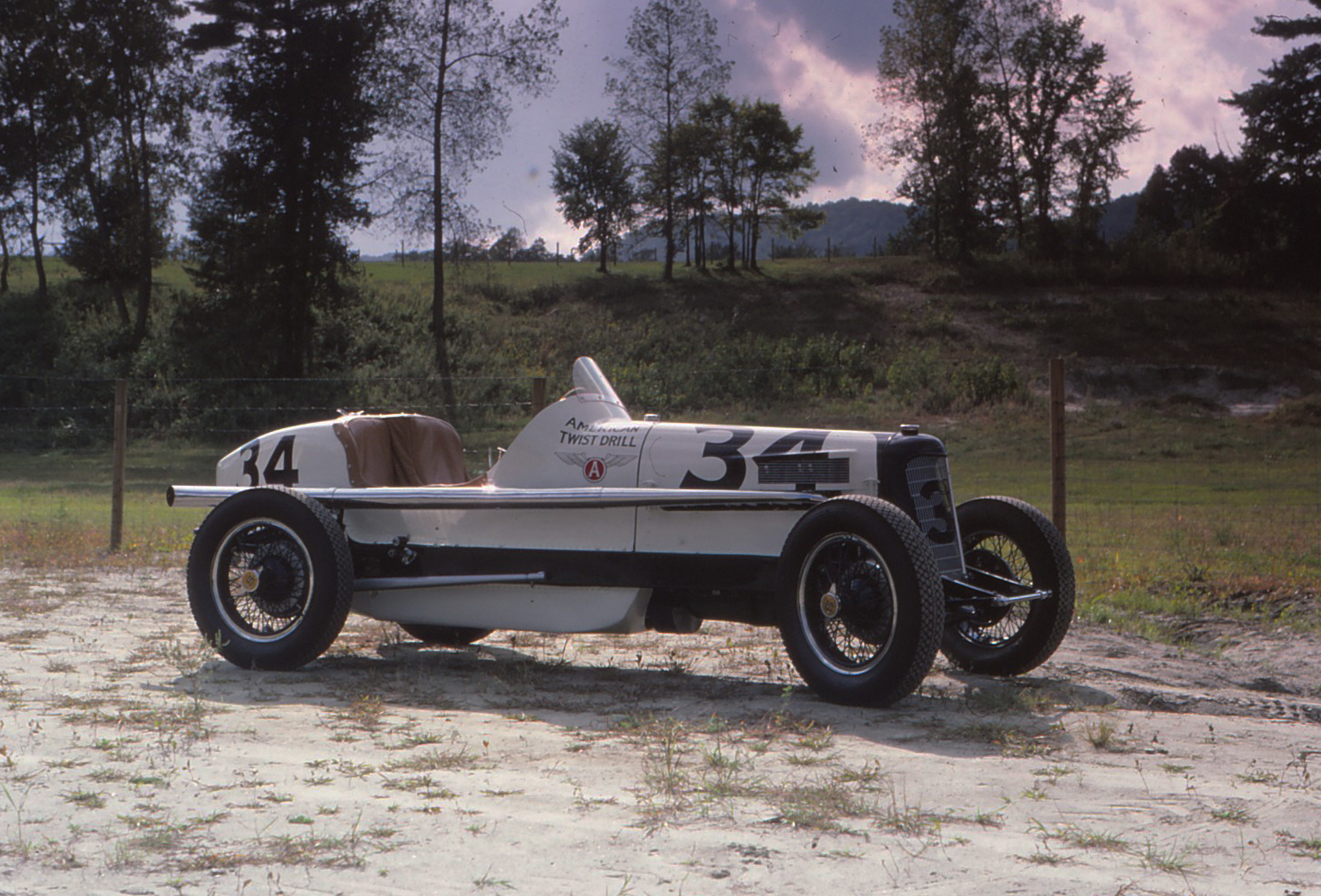
In 1961, Dave Ward, then of Niles, Michigan, and later with the National Motor Racing Museum at Watkins Glen, bought the remains of the Studebaker Indy race car, which had been deteriorating in a field. He began restoring it and compiled most of the history. It was left to Bob Valpey, of Center Harbor, New Hampshire, to complete restoration. Valpey finished the racer in its 1936 Vanderbilt Cup configuration, where it had finished 17th (the car, of course, did more than just show up at Indianapolis every May). Valpey says fitting a Buick head was not really an option, as no one remembers exactly how it was done. Never mind. This Stude flathead sports a lineup of four Winfield carbs more beautiful than you’re ever likely to see.
As a Vanderbilt racer it qualifies for vintage sports car races and hill climbs, in which Valpey competes. It does well, boasts Bob, keeping up with Bugattis and such. Driving this car proves it. A cannon barrel of an exhaust pipe down the right side bellows and you’re out of first gear before you know it. The car accelerates in second year as if some God of Torque was pulling on the long end of a lever somewhere and the car was at the short end. And third gear, well, I ran out of room before getting to use it in any meaningful way.
That’s not surprising, really. On the straights at Indy this car topped out in third at about 140 mph.
It’s a tight fit for driver and riding mechanic. The seating is staggered with mechanics seat slightly farther back than the drivers and the seats are so close together in a narrow body that the mechanic must put his arm across the car behind the driver to fit, grasping a kitchen cabinet-style handle fastened to the left side of the car just for that purpose. The driver grips a large cloth-tape-wrapped steering wheel up against his chest and his feet disappear under the engine-turned dash.
A large Stewart-Warner tachometer dominates the instrumentation, sharing the dash with oil pressure and engine temperature gauges, a choke knob, starter button and ignition switch. The large chromed lever for the handbrake is next to that for the Studebaker three-speed transmission. The shifter is long and topped by a heavy blue-and-white knob, seemingly more like something from a pickup than a genuine Indy car racer.
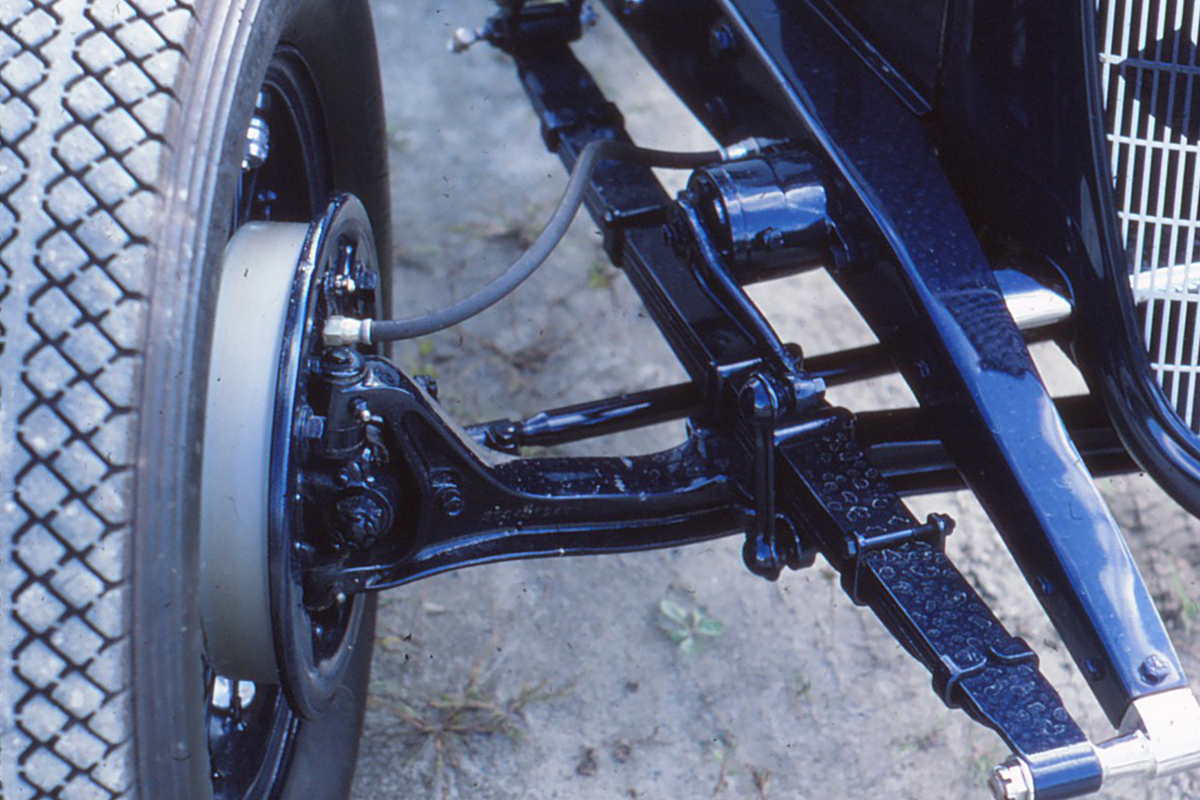
The mass of the leaf-sprung solid front axle can be felt through the steering wheel and the unfendered left front wheel dances in the driver’s sight. The rear axle hops over bumps as if the racer were one solid piece. It’s a wild ride requiring a tight grip on the wheel, and it’s American as Hoosiers, the Wabash River and corn on the cob.
It all imparts a sense of solidity, immutability and permanence. Call it Greenfield Super Service Special, Precise Tool Special, American Twist Grill Special, whatever you wish. But, from initial non-qualifier to eventual recordholder, what it really was a lesson in perseverance.
Addendum: More Indy Car and dirt track stories: A Kurtis-Kraft “stretched midget,” A.J. Foyt’s Meskowski “training wheels,’ and the roots of America racing, the beginning for many drivers, a Model T sprint car.